Kentucky, 2010.
We were both born and raised in Kentucky. We met in early 2010 through a mutual friend and started dating shortly afterward.
The beginning looked a lot like most beginnings do: nights out, blurry phone photos, new routines, and the slow realization that what had started casually was becoming something much bigger.


We made it official.
In the summer of 2013, we were married in Washington, D.C.
At the time, we had no idea that only a few years later we would be packing up our life in Kentucky and heading north. We were simply building a life together one decision at a time — long before there was a renovation account, a historic house, or a plan to call Detroit home.

Then Michigan entered the picture.
In early summer 2016, CJ had an opportunity to relocate for work. We looked seriously at several possibilities — Southern Florida, Long Island, and Metro Detroit among them. Detroit ultimately won. By winter, we had packed our things and officially moved to Michigan.
Five years, we told ourselves.
We bought a small, roughly 1,200-square-foot ranch in Oak Park sight unseen and for very little money. It needed work, but it was good enough for two people trying to learn a new state and build a life in it.
From the beginning, we thought of it as our five-year house: enough time to learn Metro Detroit, settle into our careers, and eventually figure out where we wanted to put down more permanent roots.
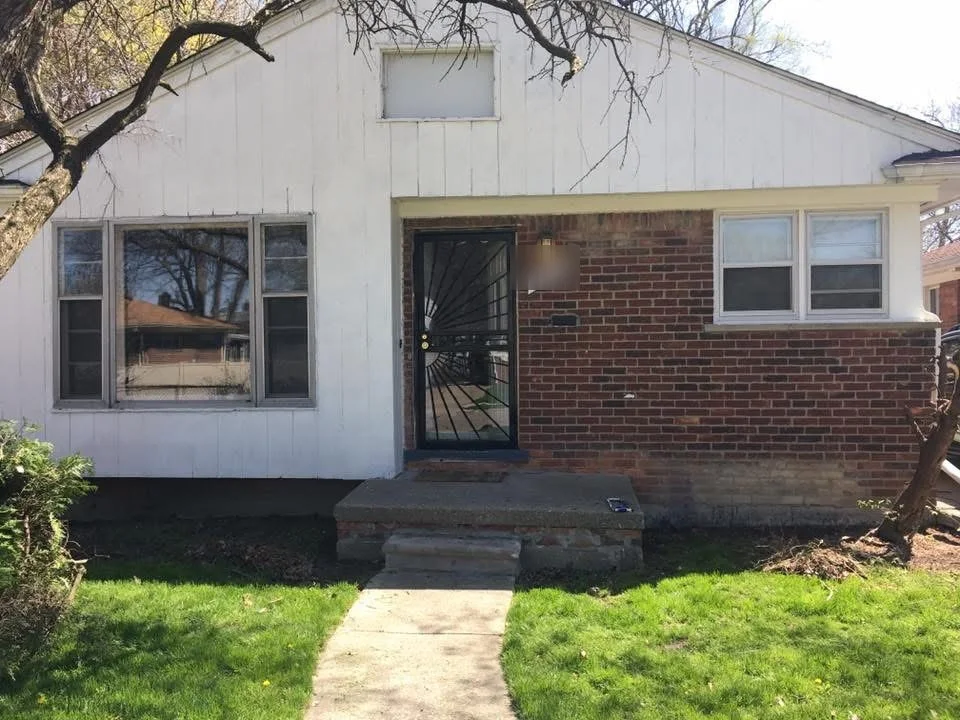
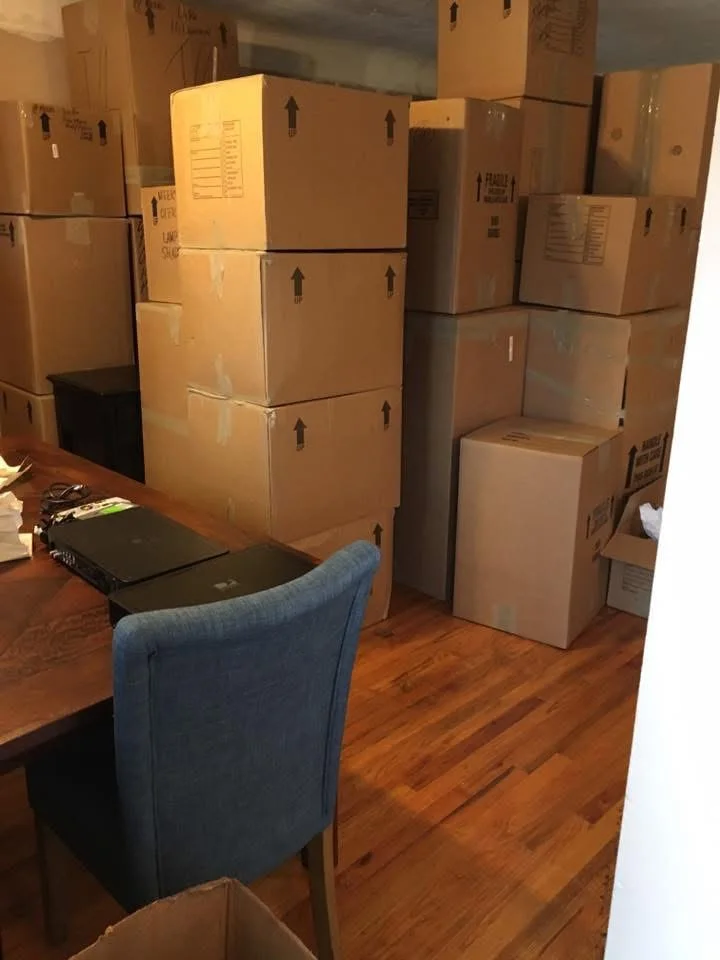
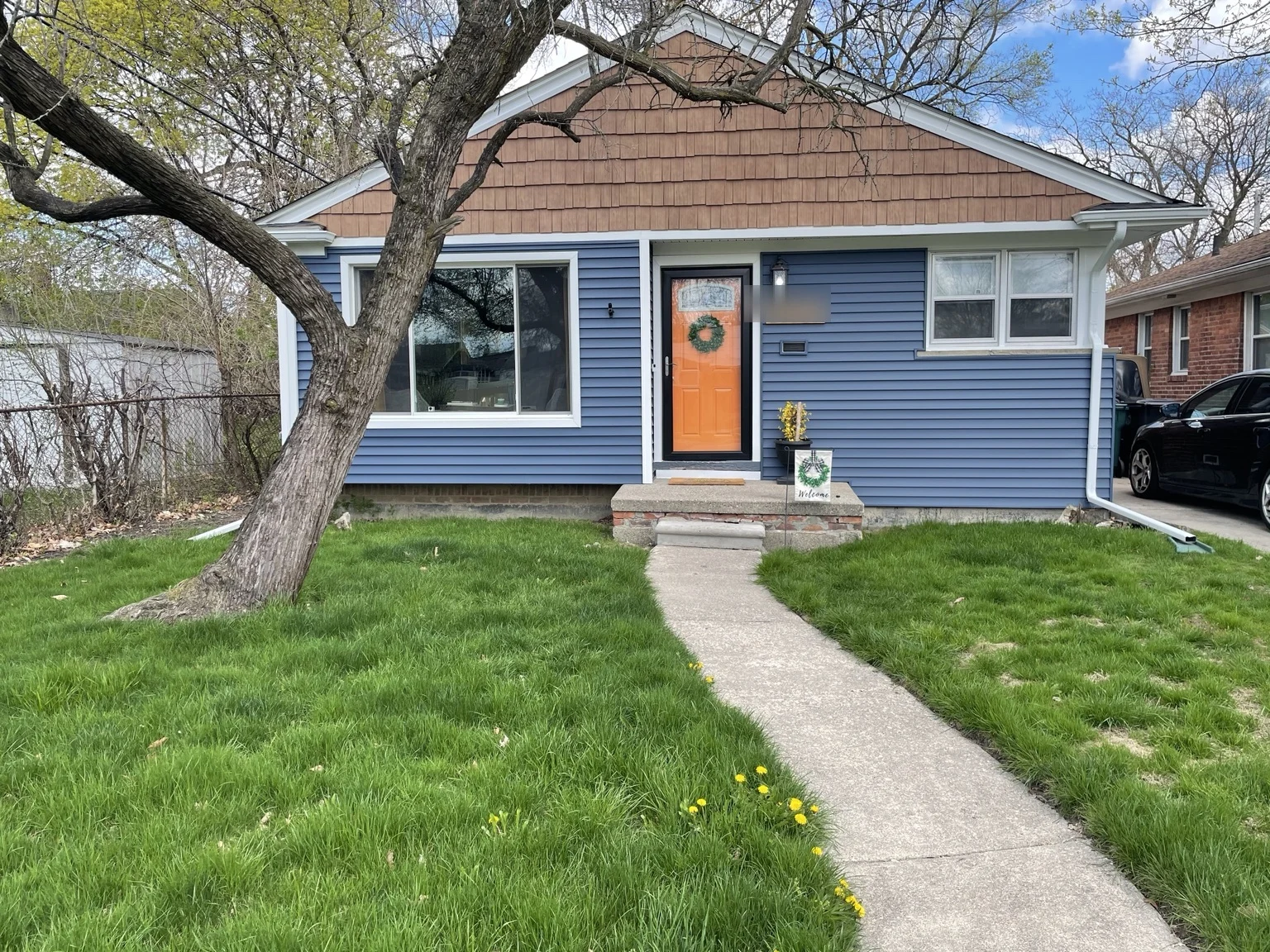
Street numbers have been obscured in archival photos for privacy.
The city became part of our life before the house did.
Our five-year plan stretched longer than expected. The pandemic arrived in 2020, both of us lost our jobs, and we had to reorganize almost everything.
Steve found a great new local career within a few months. CJ took a little more time. After nearly two decades in retail management, he was ready for a change. Temporary jobs eventually opened a path into something new in downtown Detroit — with more freedom, a new direction, and a reason to experience the city differently.
By then, Detroit no longer felt like somewhere we had relocated for work. It was where we went out, celebrated, explored, built routines, and started imagining a longer future.

Then came the Tudor.
By late 2022, settled into our new careers, we finally began looking for the next house. We knew we wanted more space, but what we were really chasing was character — older homes, historic neighborhoods, and architecture with a story already underway.
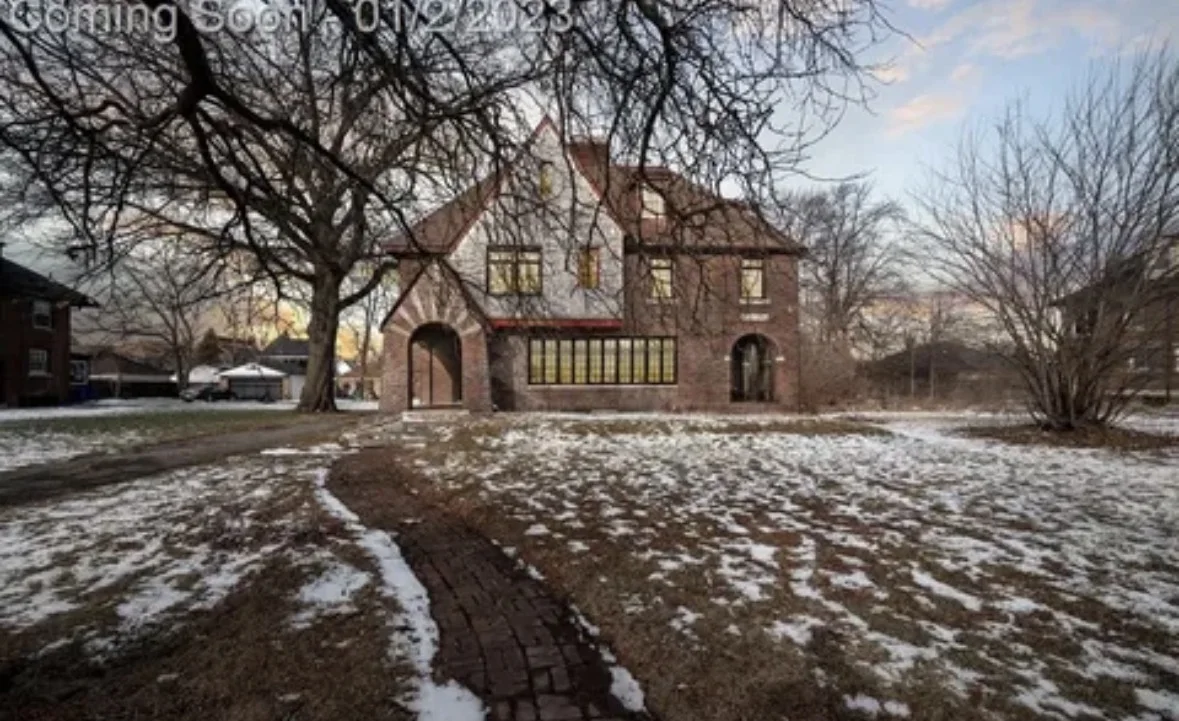
In early 2023, we found a large Tudor-style home in Boston-Edison and fell hard for its bones. It had seven bedrooms, each with an en suite bath, and the kind of scale that made big ideas feel possible.
It also needed more than 80 windows. The kitchen was gutted. The plumbing had been removed and piled in the basement. There was no central heating or air, and the boiler looked ancient. We met contractors at the house before making an offer and watched the renovation estimates climb.
Eventually, we had to admit the truth: we loved the house, but taking it on would put us far beyond what we were prepared to handle.
Just a few blocks away, something clicked.
We were beginning to wonder if we would find “the one” when we walked into a 1919 Colonial on the same street as the Tudor, only a few blocks away.
It was move-in ready, but it had been through a flip that left much of the first floor feeling stripped of personality. The original hardwood was beautiful, the radiators remained, but much of the character we expected from a century-old house had been wiped clean.
Still, the layout immediately started speaking to us. In what would become the library, CJ could already see built-in bookcases surrounding the wide opening into the living room. That idea would eventually become one of our favorite transformations.
Upstairs, a smaller bedroom adjoining the primary suite looked like a future walk-in closet. Beyond it, the sunroom felt destined to become a home office. Then we reached the third floor — a large open room, a separate bedroom, and an en suite bath where we had expected little more than a chopped-up attic.
At the top of the stairs, CJ said it out loud: “Oh, wow.”
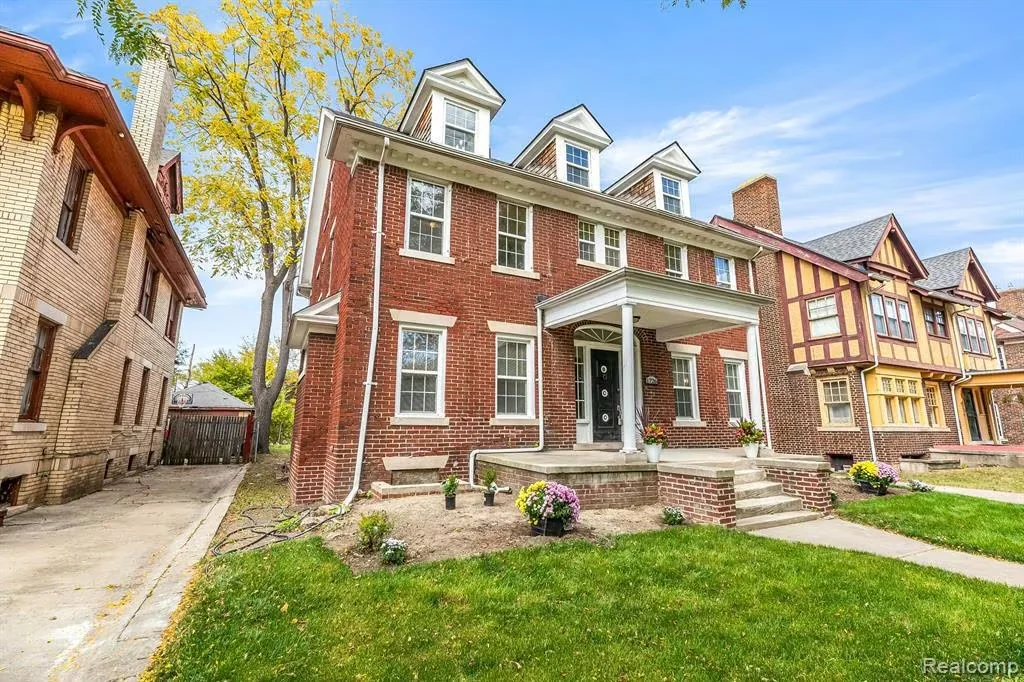
We stopped touring it and started imagining living there.
On the way back downstairs, CJ got unusually quiet. Steve and our realtor assumed that meant disappointment. It was exactly the opposite.
As we reached the main level and started toward the door, CJ said he would be right back — and ran through the entire house again.
This time, every room became a possibility: the future library, the primary suite, the third-floor retreat, the places we might host holidays, the rooms we could slowly give character back to.
Afterward, we stopped at a local bar to talk through the houses we had toured that day. CJ could not stop talking about the 1919 house. Before long, Steve could see it too.

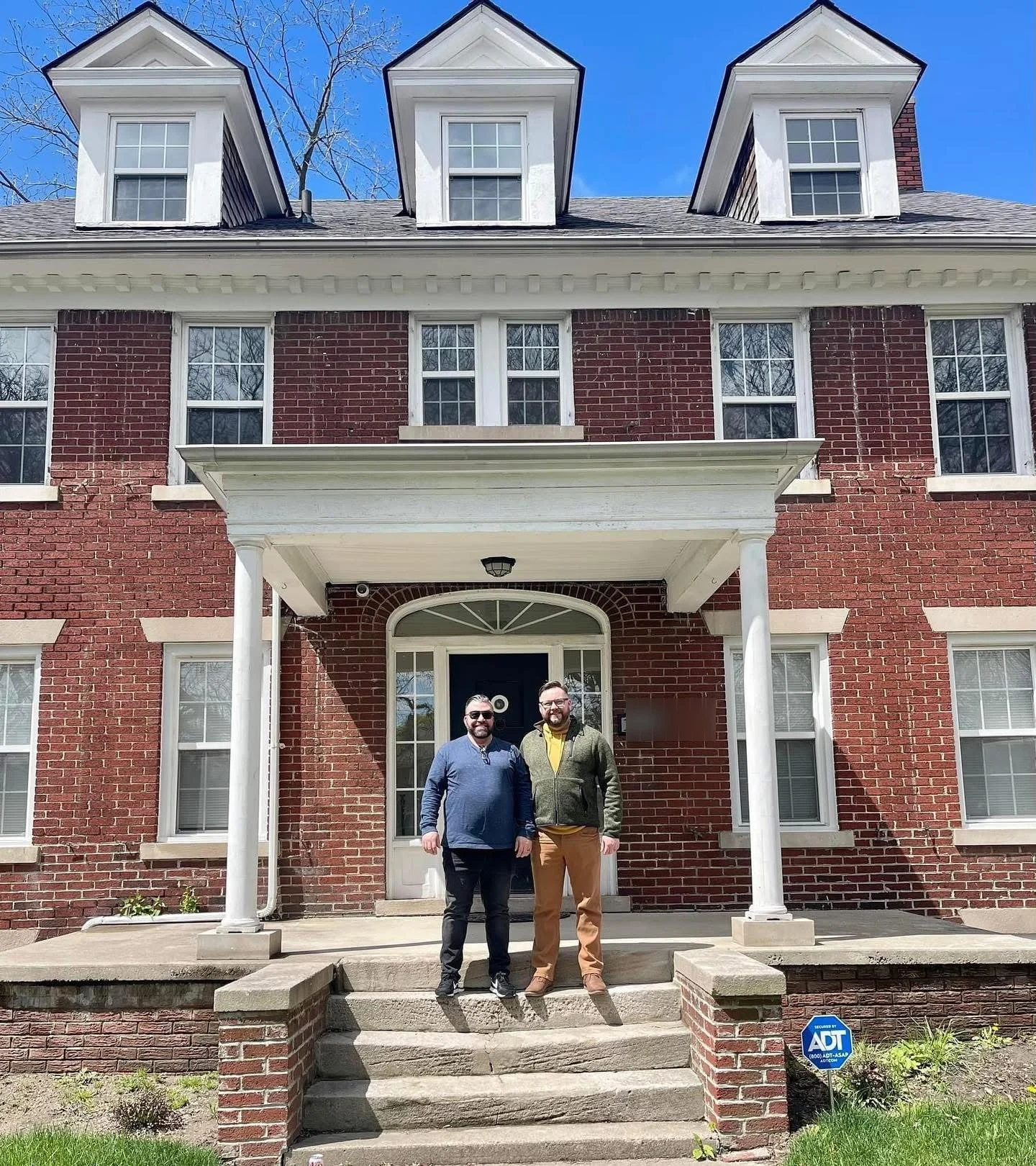
The street number has been obscured for privacy.
The house was the beginning, not the finish line.
Since 2023, we have been slowly adding back character, correcting earlier renovation choices, learning more about the house’s history, and making spaces that support the way we actually live. Detroit Reno Husbands grew out of that process: part renovation journal, part house history, and part record of the life happening between the projects.